

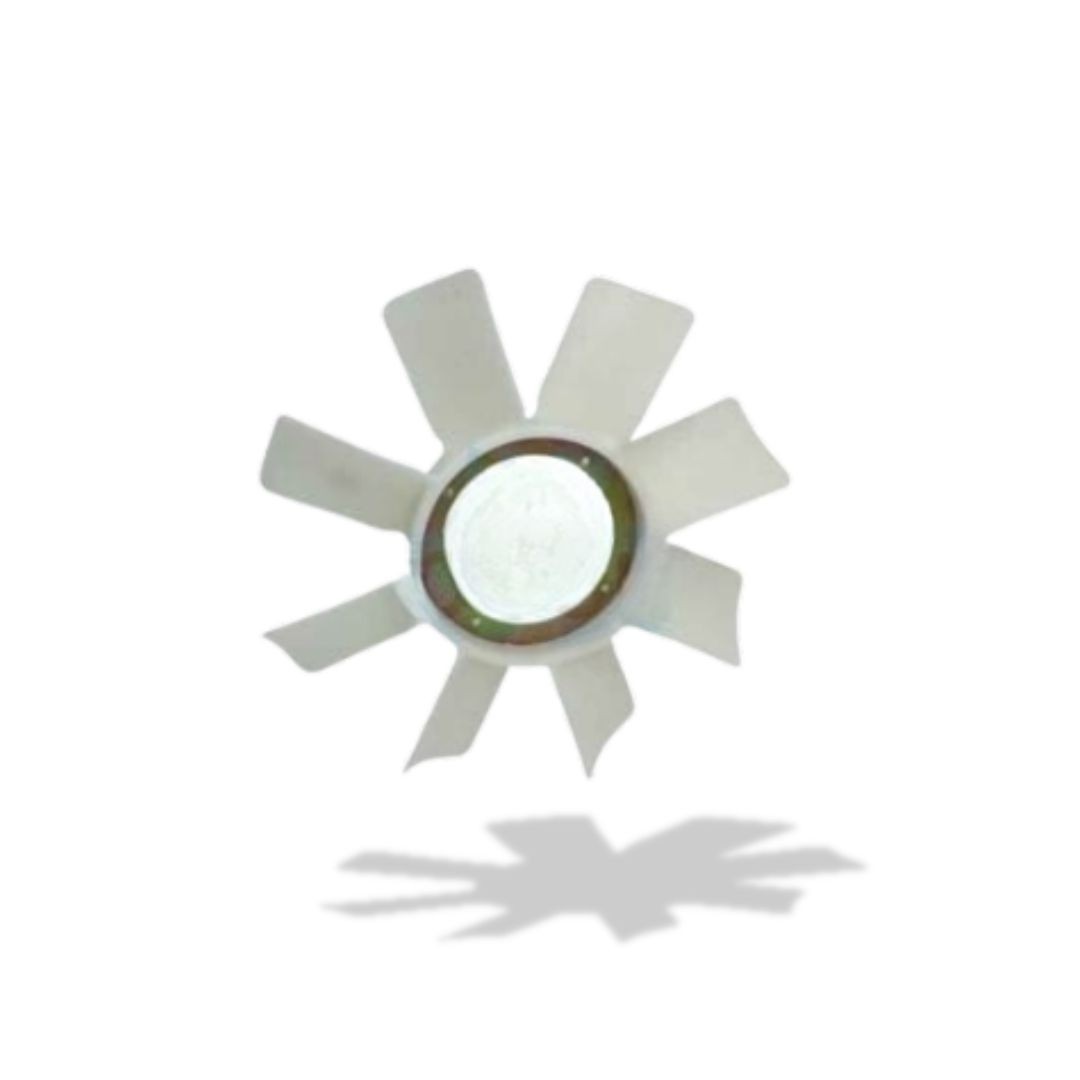
Radiator Cooling Fan Nissan PK250 Fan Blade
(0
reviews)
Inhouse product
Price
Share

Reviews & Ratings
0
out of 5.0
(0
reviews)
There have been no reviews for this product yet.
The radiator cooling fan on a Nissan PK250 plays a vital role in maintaining the engine's operating temperature by circulating air through the radiator. The fan blades are one of the most important components, as they help pull or push air through the radiator to dissipate heat from the engine coolant. If the fan blades are damaged or not functioning properly, it can lead to engine overheating and reduced performance.
Key Details for the Radiator Cooling Fan Blade on the Nissan PK250:
Function of the Cooling Fan Blade:
- The fan blade is the component that physically moves air through the radiator. It is connected to the engine through a fan clutch (for mechanical fans) or a motor (for electric fans).
- The fan's primary role is to create sufficient airflow through the radiator, especially when the vehicle is idling or moving at low speeds where natural airflow is minimal. This helps to maintain optimal engine temperature, preventing overheating.
Fan Blade Material:
- Fan blades are typically made from plastic, composite materials, or lightweight metals. This makes them durable yet light enough to spin at high speeds without putting excessive strain on the engine.
- The material is chosen for its ability to withstand high temperatures and engine vibrations without cracking or breaking.
Fan Blade Size:
- The fan blade size (diameter) can vary depending on the engine's cooling requirements and the vehicle's specific configuration. The size typically ranges between 16 to 24 inches for trucks like the Nissan PK250.
Types of Fans:
- Mechanical Fan:
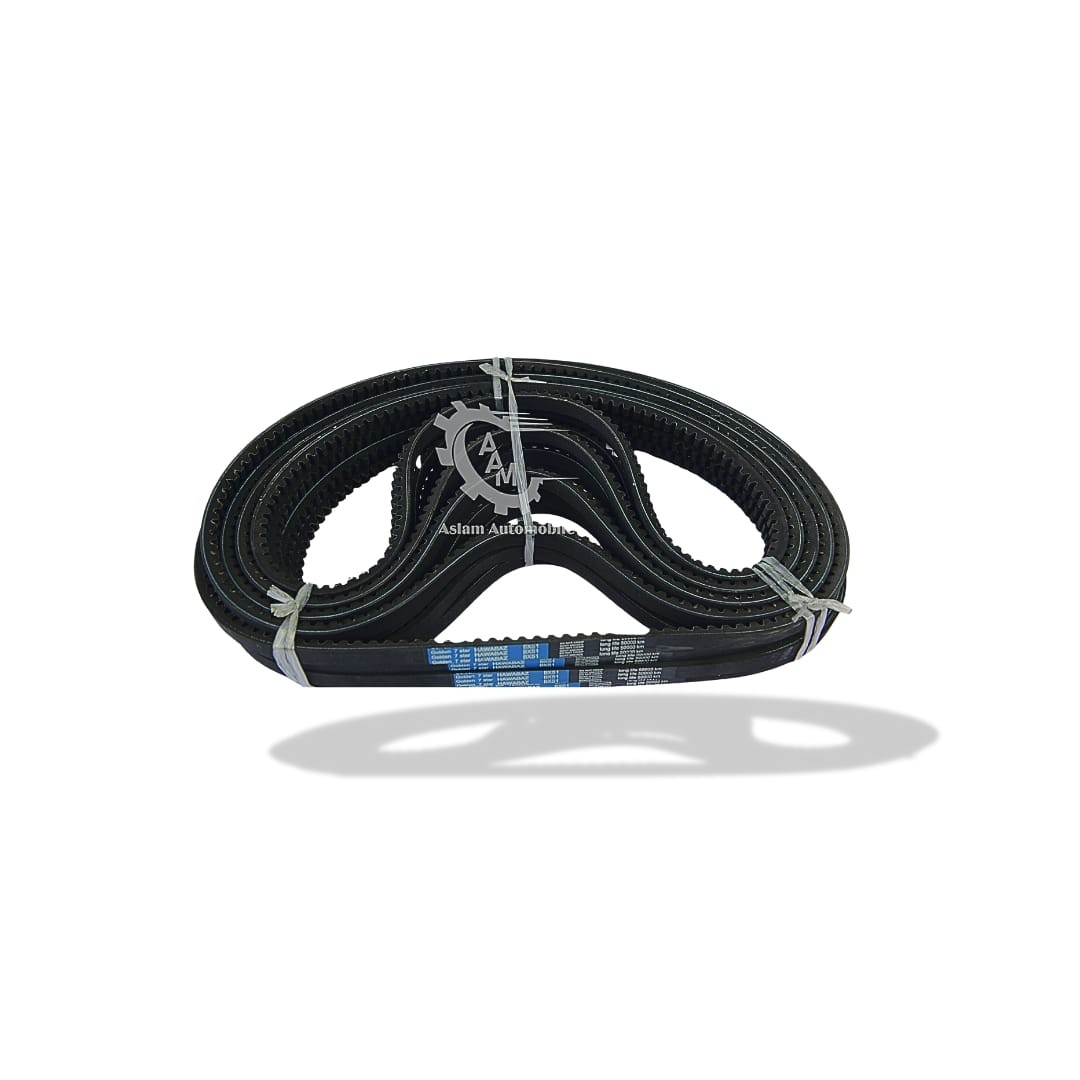
- Mechanical cooling fans are often driven by the engine via a v-belt or serpentine belt.
- The fan speed increases with the engine speed, ensuring adequate airflow when the engine is working hard or at higher RPMs.
- These systems often use a fan clutch to control when the fan engages or disengages based on temperature needs.
- Electric Fan:
- In some configurations, the Nissan PK250 may use an electric fan powered by the truck's electrical system.
- These fans are controlled by a temperature sensor and only operate when the engine coolant reaches a certain temperature.
Common Issues with Fan Blades:
Cracked or Broken Blades:
- Over time, plastic fan blades can become brittle, crack, or break due to constant exposure to high temperatures and engine vibrations. A damaged blade reduces airflow and can cause overheating.
- If a fan blade is broken, it should be replaced immediately to restore full cooling capacity.
Imbalance or Vibration:
- If the fan blades become bent or damaged, they may become unbalanced. This can cause vibrations that damage other components of the cooling system, such as the fan clutch, bearings, or radiator.
Obstructions or Debris:
- Debris like dirt, leaves, or road debris can get caught in the fan blades, obstructing airflow. This reduces the fan's ability to cool the engine and may cause overheating.
- Regular cleaning and inspection are necessary to ensure that the blades remain clear of obstruction.
Excessive Noise:
- Unusual noises such as rattling, grinding, or scraping can indicate damaged blades or bearings, which need to be inspected and replaced.
- Squealing noises could also be a sign of a worn fan belt or an improperly adjusted fan clutch (for mechanical fans).
Related products