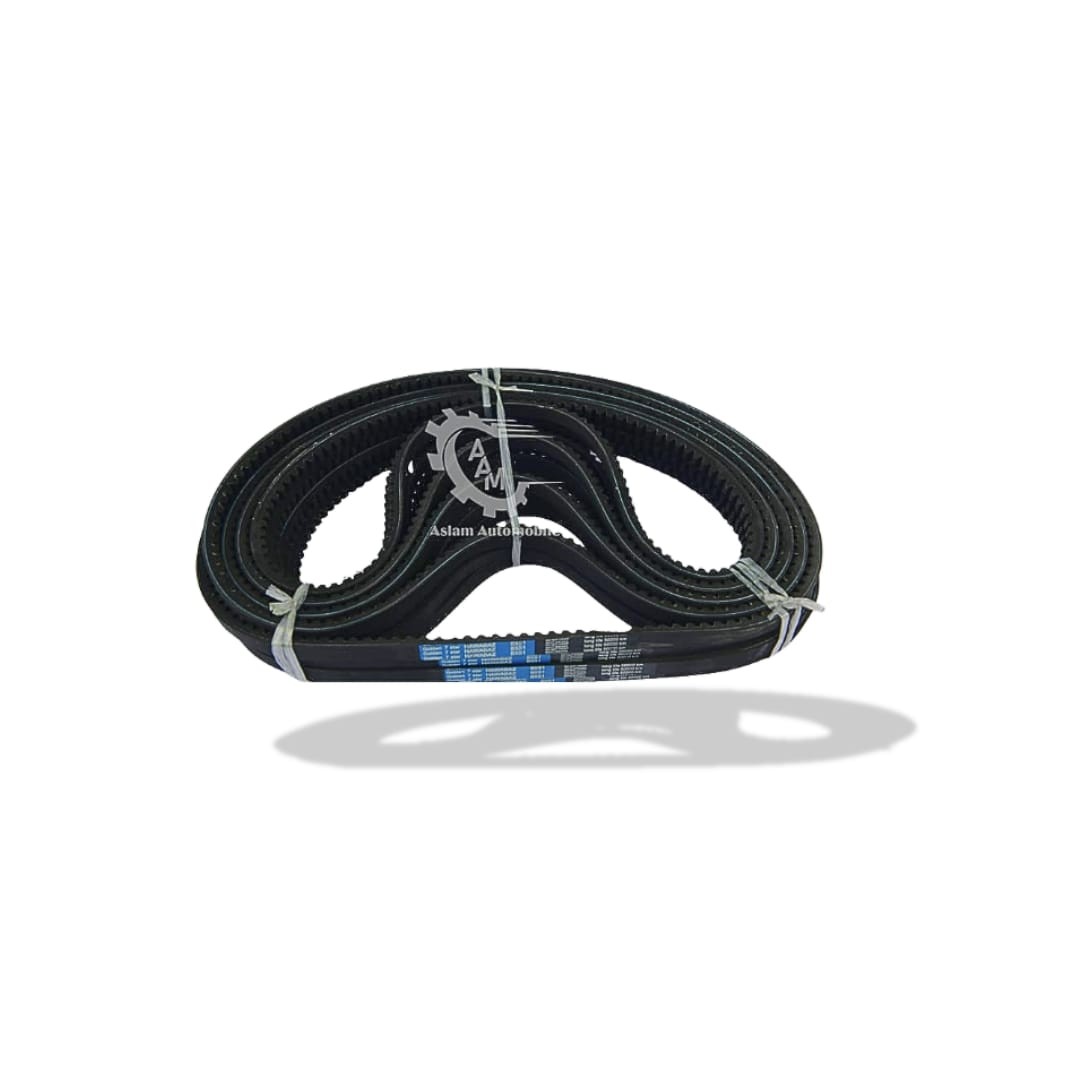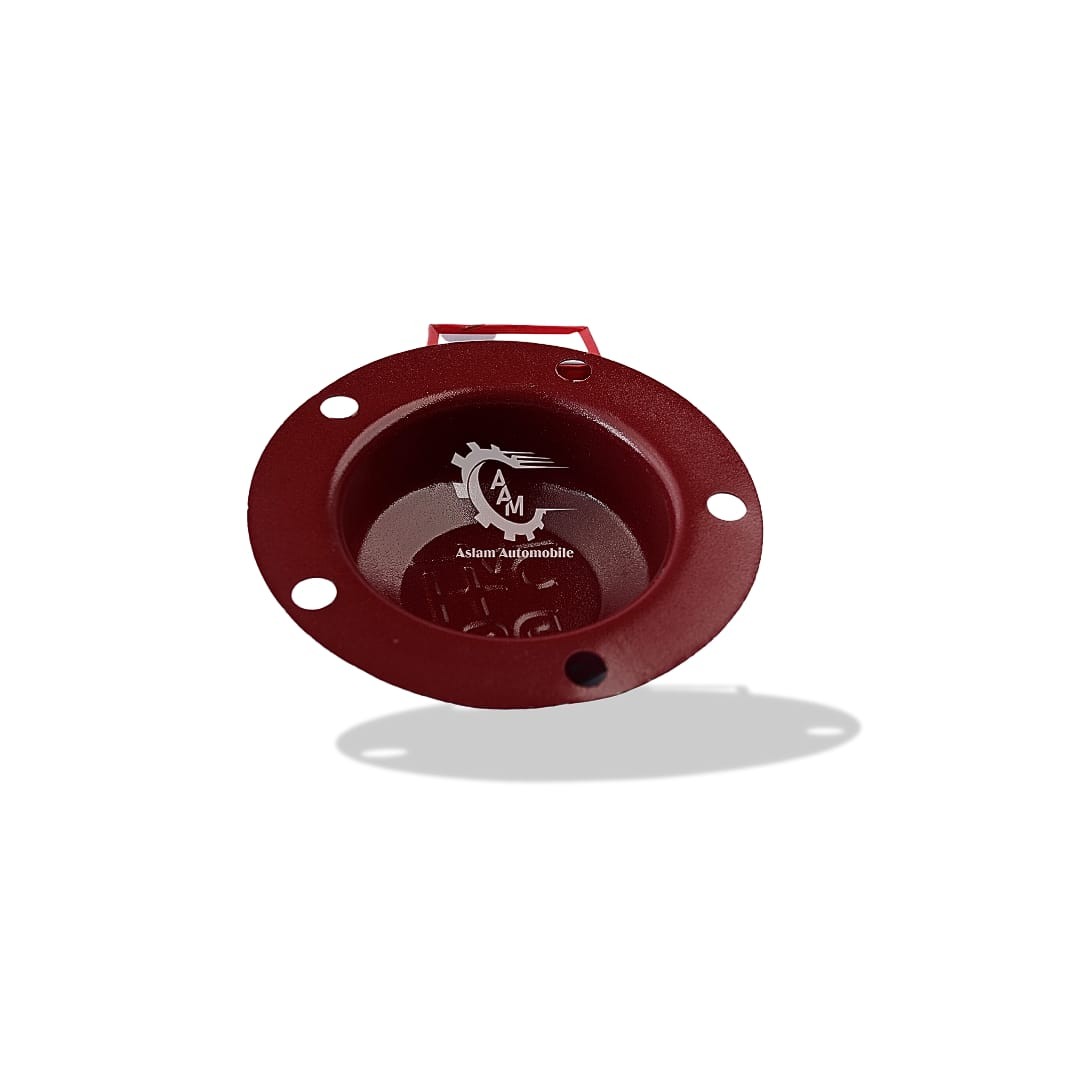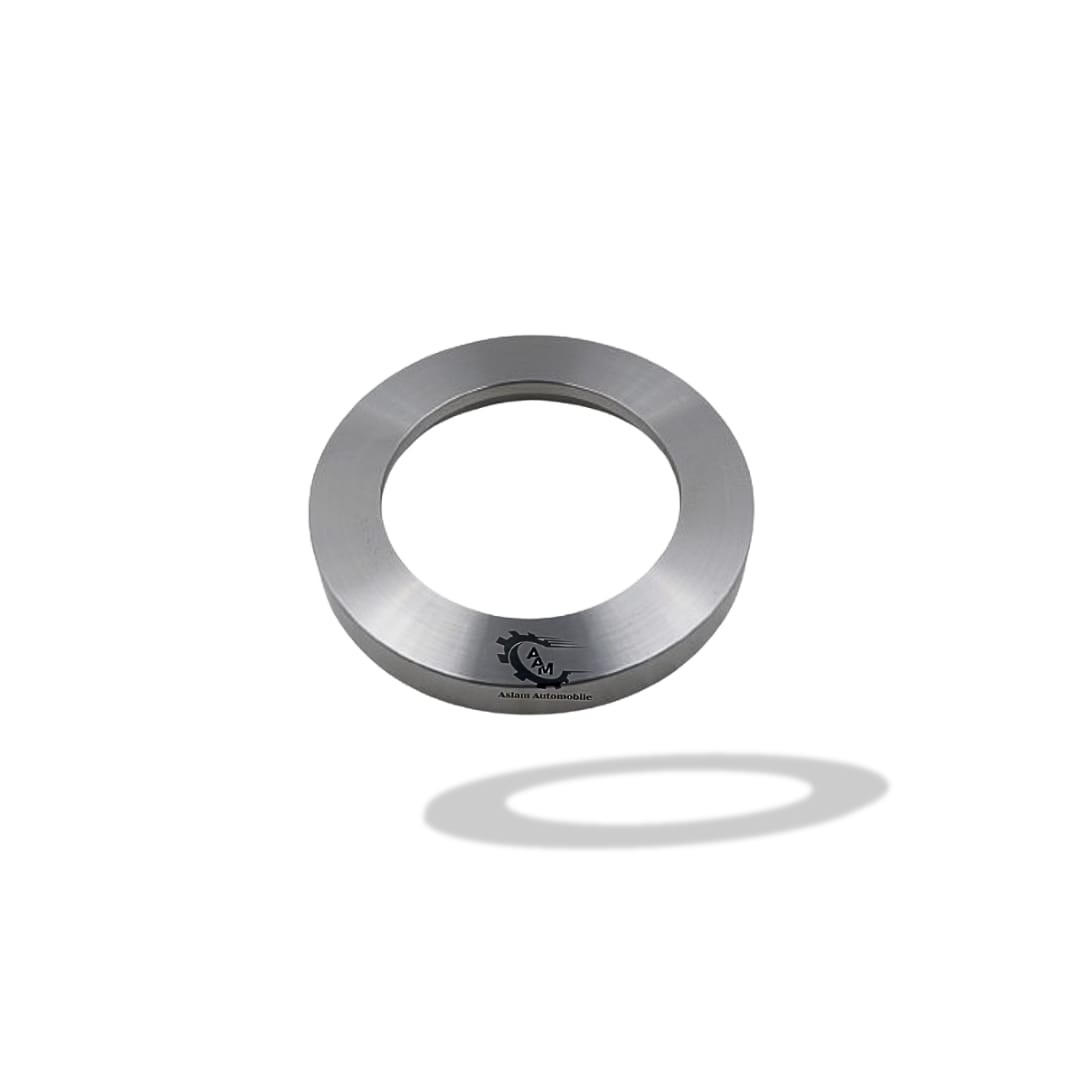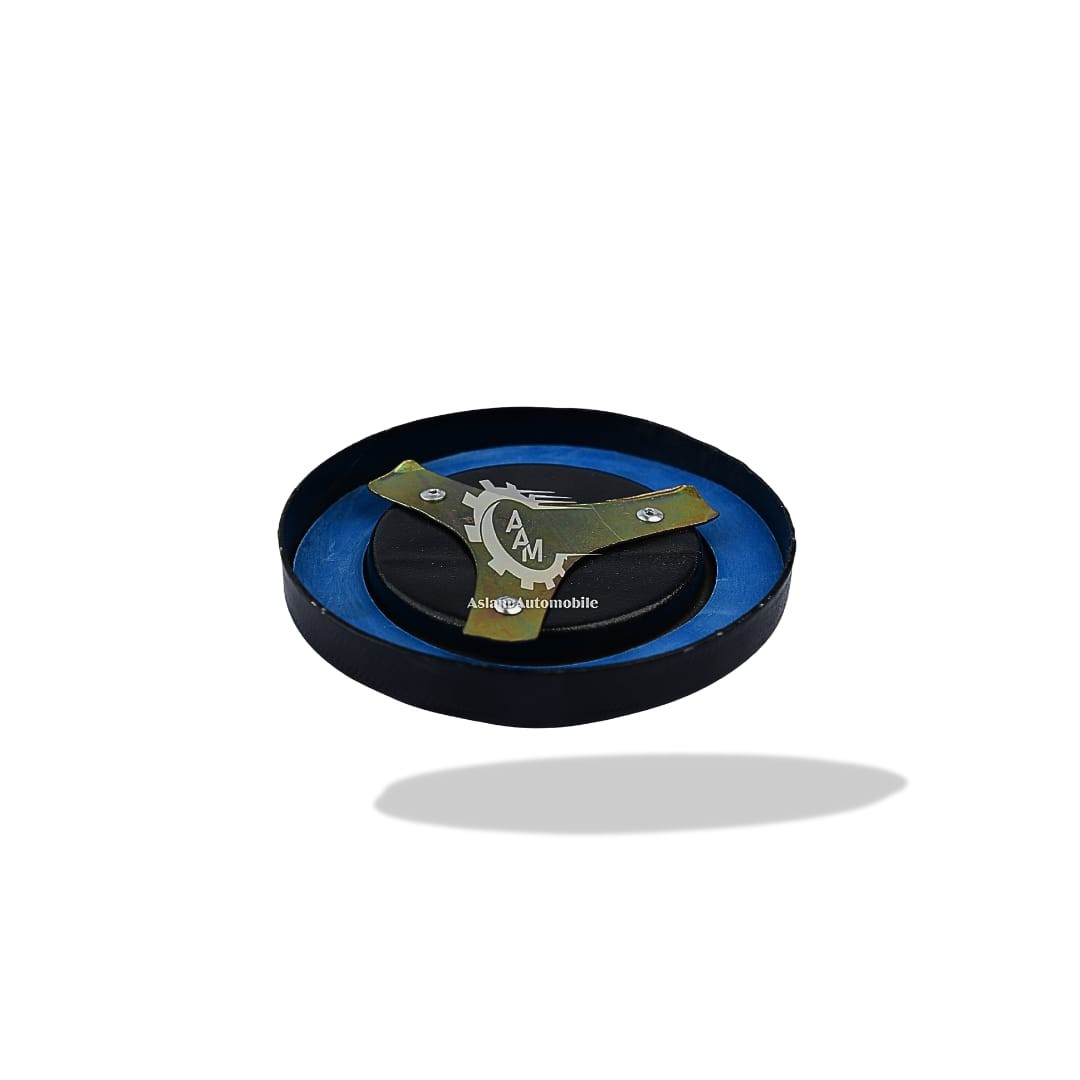


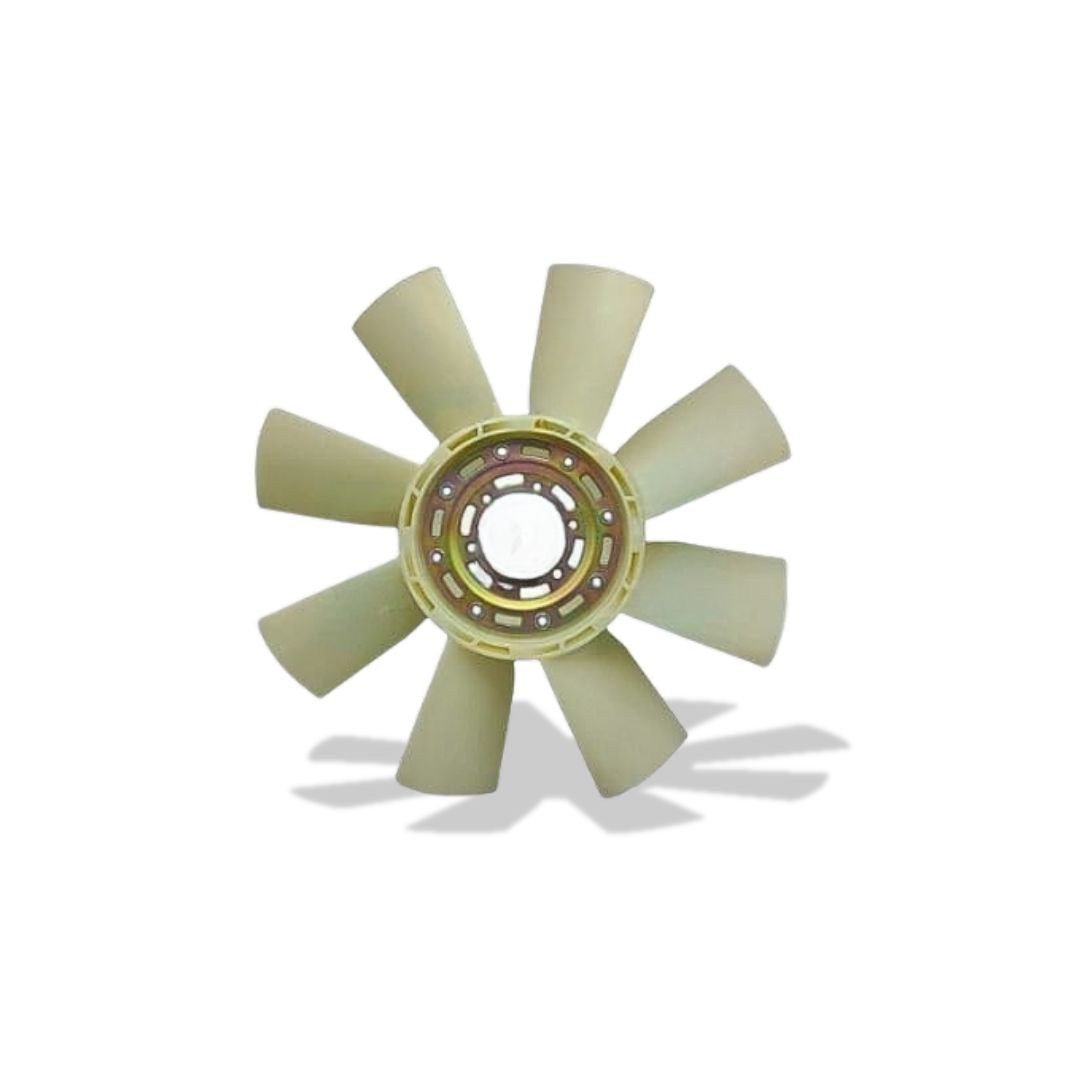
Radiator Cooling Fan Hino EK100
(0
reviews)
Inhouse product
Price
Share

Reviews & Ratings
0
out of 5.0
(0
reviews)
There have been no reviews for this product yet.
The radiator cooling fan on a Hino EK100, part of the Hino truck series, is essential for maintaining engine temperature by promoting airflow through the radiator. This allows the engine coolant to stay at an optimal temperature and prevent overheating during operation.
Key Points Regarding the Radiator Cooling Fan on a Hino EK100:
Function:
- The cooling fan's primary role is to move air through the radiator, aiding in heat dissipation from the coolant. This keeps the engine at a safe operating temperature, especially during heavy-duty or high-load conditions.
Types of Fans:
- Mechanical Fans:
- If your Hino EK100 uses a mechanical fan, it is typically powered by the engine through a belt and pulley system.
- The fan speed is often directly linked to the engine speed, meaning the fan operates faster as the engine revs higher.
- Electric Fans:
- Some versions of the EK100 may be equipped with electric cooling fans that are activated by a thermostat or a temperature sensor.
- Electric fans can be more efficient as they only run when needed and consume power from the vehicle's electrical system.
Fan Components:
- Fan Blades: These are generally made from durable plastic or fiberglass to withstand high temperatures and vibrations.
- Fan Motor (for electric fans): The electric fan motor should be inspected for functionality. If it malfunctions, it could cause engine overheating.
- Fan Shroud: The shroud directs airflow and ensures that air is funneled through the radiator, not around it. Damage to the shroud can reduce cooling performance.
Common Issues:
Fan Failure: If the fan stops working, it could be caused by:
- A faulty temperature sensor (in electric fans).
- A damaged fan motor (in electric systems).
- A broken fan belt (in mechanical fans).
- A blown fuse or bad relay (for electric fans).
Noise: Unusual noises such as grinding, rattling, or squealing may point to:
- Worn-out fan blades.
- Loose or damaged fan motor bearings.
- A faulty belt in mechanical fans.
Overheating: If the engine is overheating and the fan isn't functioning properly, the issue could be due to:
- Clogged fan blades or damaged fan components.
- Restricted airflow due to debris or a broken fan shroud.
- Low coolant levels or radiator issues.
Maintenance:
- Inspect Fan Blades: Check the fan blades for cracks or signs of wear. Broken blades should be replaced immediately.
- Check Fan Shroud: Ensure that the fan shroud is intact and securely fastened to avoid reduced airflow.
- Check Electrical Connections (for electric fans): Inspect wiring, fuses, and relays for signs of damage or corrosion. If the fan motor isn't working, it could be a wiring issue or motor failure.
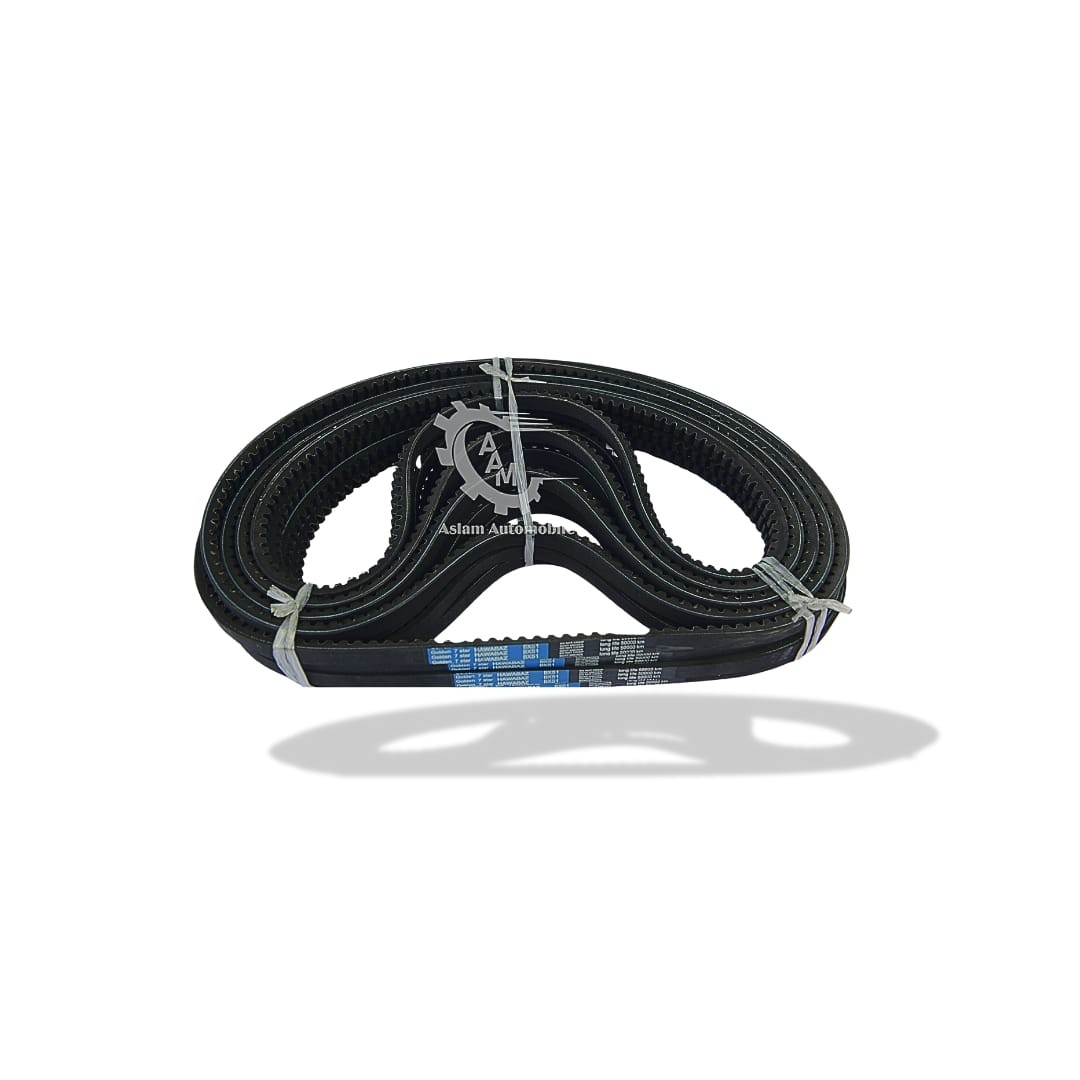
- Fan Belt (for mechanical fans): Inspect the fan belt for wear, cracks, or misalignment. A slipping or broken belt will affect the cooling performance.
- Thermostat and Sensors: Verify that the temperature sensors or thermostats are working correctly to activate the fan at the appropriate temperature.
Troubleshooting Steps:
- Check for Power Issues (Electric Fans): Ensure that the fan's motor is receiving power. If not, check the fuse, relay, and wiring.
- Inspect the Belt (Mechanical Fans): If the fan is mechanically driven, inspect the fan belt for tension and condition. A loose or damaged belt should be replaced.
- Test the Thermostat: Ensure the thermostat is correctly triggering the fan's activation when the engine reaches the desired temperature.
- Cooling System Check: If the fan is working but the engine is still overheating, the issue might lie elsewhere in the cooling system, such as the radiator, hoses, or coolant levels.
Replacement and Repairs:
- If any of the fan components are damaged beyond repair, it's essential to replace them with OEM (Original Equipment Manufacturer) parts to ensure compatibility and proper function.
- Be sure to consult the Hino EK100's service manual for the correct specifications, part numbers, and detailed instructions on fan replacement or maintenance.
Related products