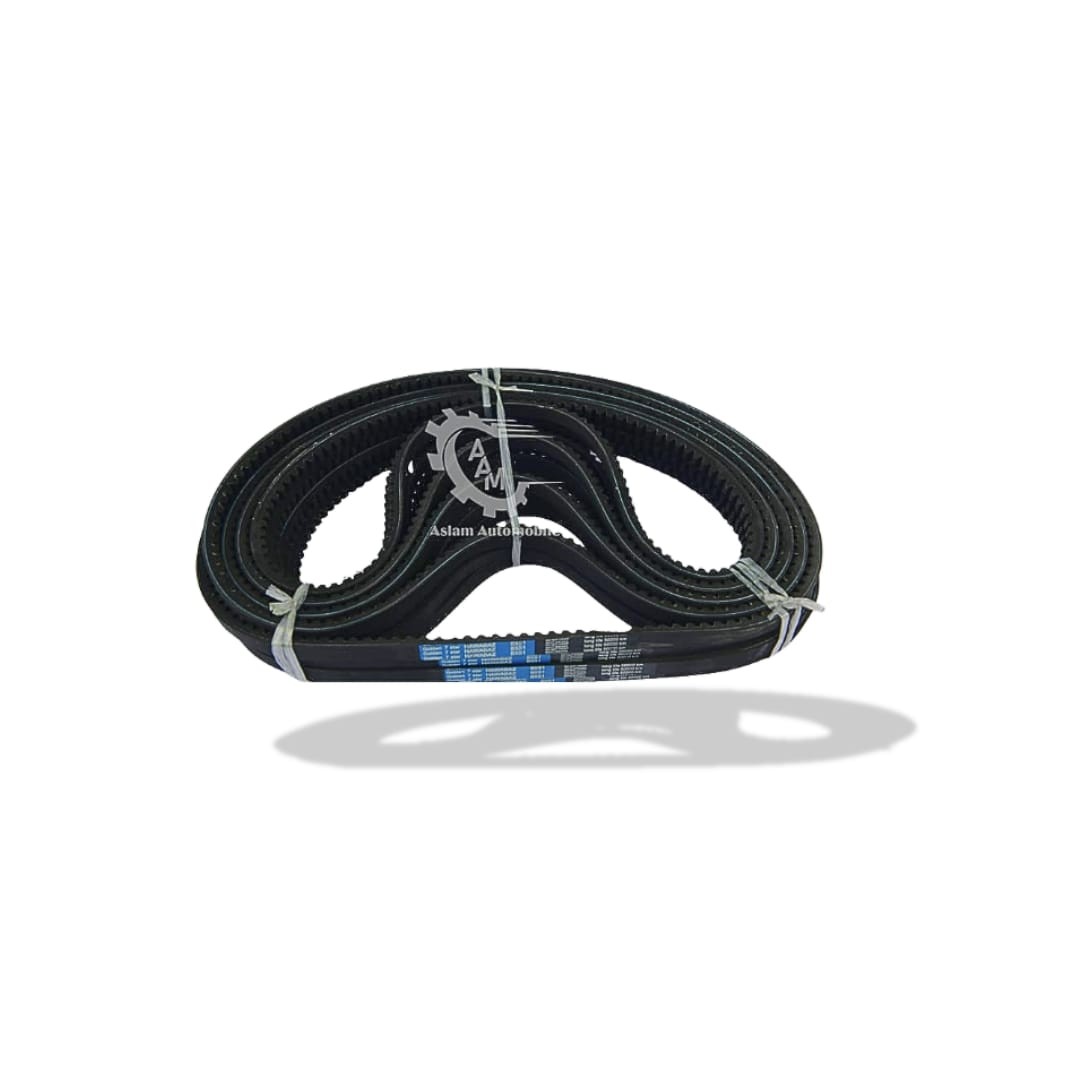


Radiator Cooling Fan Hino AKFF
Inhouse product

Reviews & Ratings
The radiator cooling fan on a Hino AKFF, a model in the Hino bus or truck series, plays the crucial role of maintaining optimal engine temperature by helping to cool the engine coolant. Here are some details and considerations for the radiator cooling fan specific to the Hino AKFF:
Function and Operation:
- Cooling Role: The fan draws air through the radiator to remove heat from the engine coolant, which in turn prevents the engine from overheating.
- Activation: Depending on the design, the cooling fan can be either mechanically driven by the engine through a fan belt or electrically operated. In more modern setups, electric fans are commonly used, offering better control and energy efficiency.
Types of Fans:
- Mechanical Fans: If the fan is mechanically driven, it is typically powered by the engine via a belt and pulley system. It spins when the engine is running, and the fan speed is proportional to the engine speed.
- Electric Fans: More likely in modern variants, electric fans are triggered by a temperature sensor or thermostat. These fans are typically more efficient because they only operate when needed, drawing power from the vehicle's electrical system.
Components:
- Fan Blades: Made of durable plastic or composite material to withstand high temperatures and vibrations.
- Fan Motor: For electric fans, the motor needs regular inspection to ensure proper function. A faulty motor could result in overheating.
- Fan Shroud: The shroud helps direct airflow through the radiator. Any cracks or damage to the shroud can cause air to bypass the radiator, reducing cooling efficiency.
Common Issues:
Fan Not Running: In the case of an electric fan, a non-functional fan could be due to:
- Blown fuse or relay.
- Faulty temperature sensor.
- Broken wiring or loose connections.
- Malfunctioning fan motor.
In mechanical fans, check for a damaged or worn-out fan belt or issues with the belt tensioner.
Excessive Noise: If the fan produces abnormal sounds such as grinding or rattling, it could indicate that the blades are damaged, or the fan bearing is worn out.
Decreased Cooling Efficiency: If the fan isn't pulling enough air through the radiator, the engine could overheat. This could be due to dirty or obstructed fan blades, a damaged fan shroud, or a faulty motor in electric fan systems.
Maintenance and Inspection:
- Fan Blades and Shroud: Inspect the fan blades for cracks, chips, or breakage. Make sure the shroud is secure and free from any damage or obstructions.
- Motor and Wiring: For electric fans, ensure the fan motor is functioning correctly, and check the wiring for signs of wear or corrosion.
- Thermostat and Sensors: Verify that the temperature sensor or thermostat is correctly triggering the fan at the right temperature.
Related products