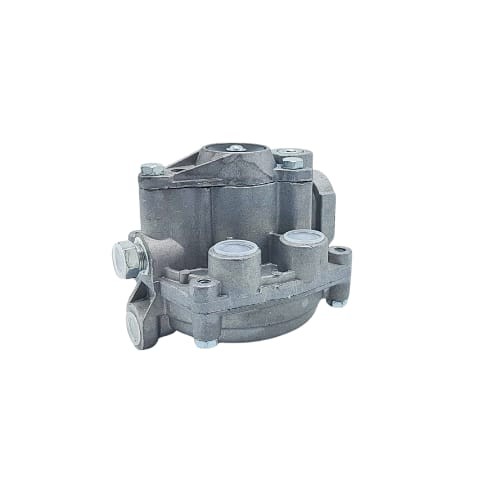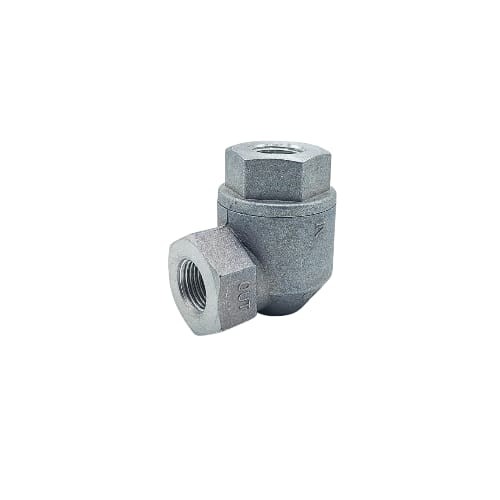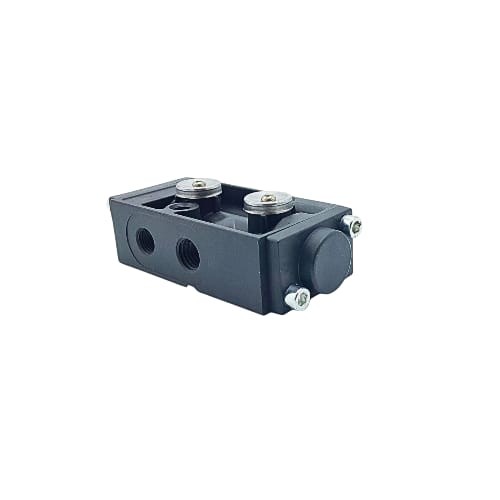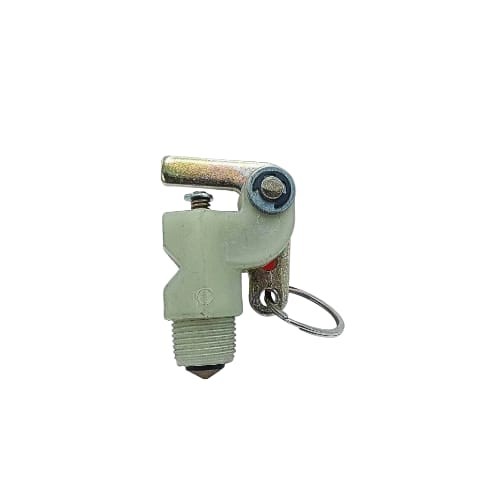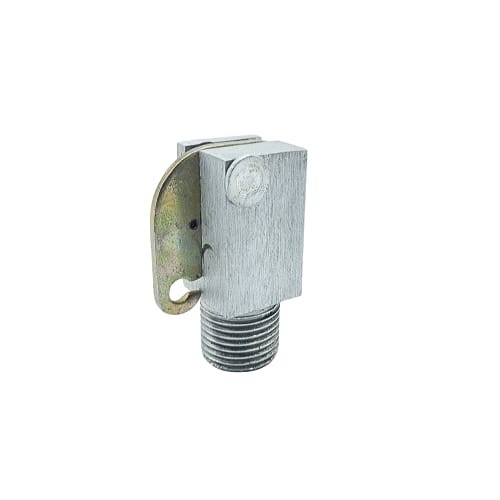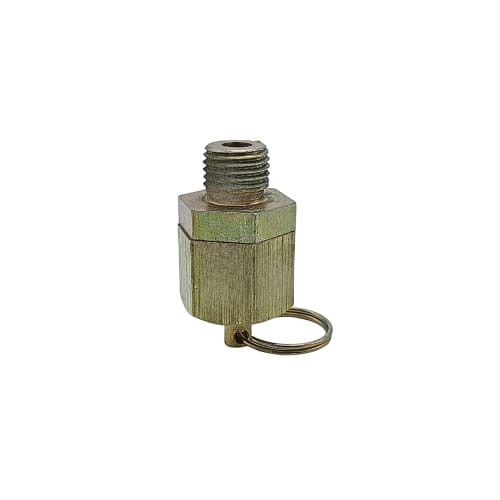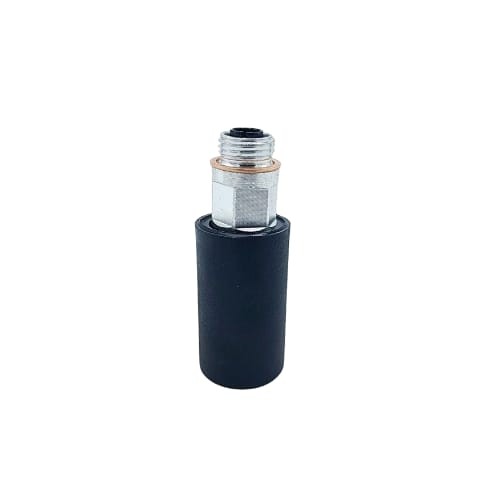


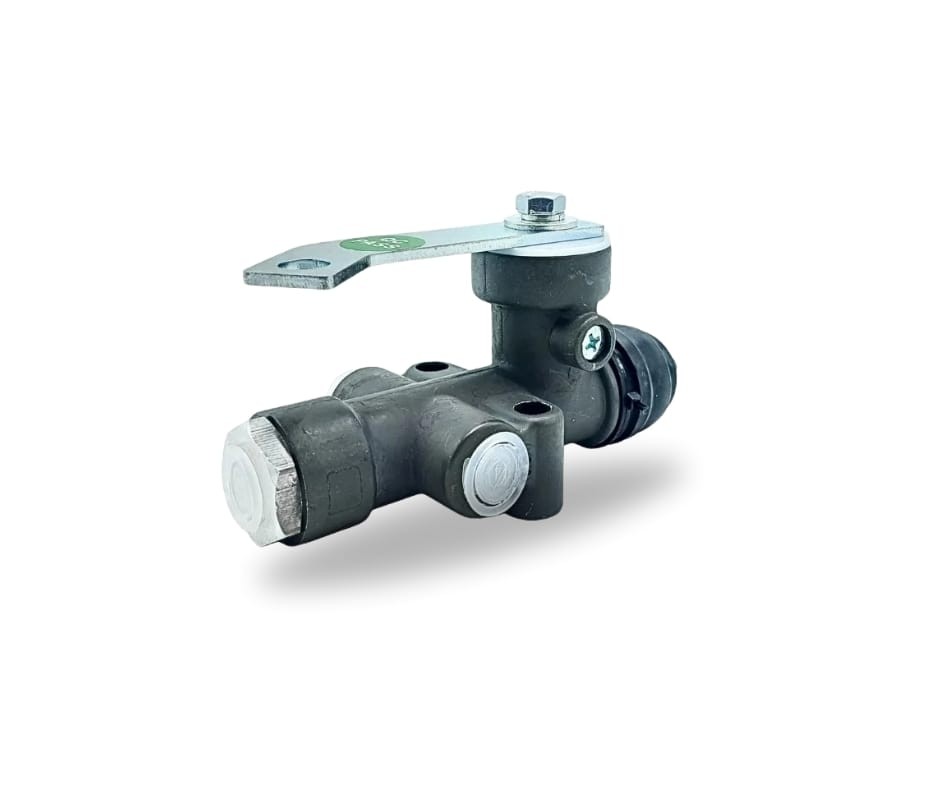
Leveling Valve WR2908
Inhouse product

Reviews & Ratings
The WR2908 is a type of leveling valve commonly used in air suspension systems, especially in trucks, trailers, and other vehicles with air ride suspension. The valve helps maintain the correct ride height of the vehicle by regulating the air pressure in the suspension's air bags. It automatically adjusts the air supply based on the load in the vehicle, ensuring that the suspension stays level even when the load shifts or changes.
Here’s a quick overview of how the WR2908 leveling valve works:
Key Features:
- Automatic Leveling: The valve helps ensure that the vehicle maintains a consistent ride height regardless of load variations.
- Adjustable Settings: Many leveling valves, including the WR2908, offer adjustable settings to fine-tune the suspension response.
- Durable Construction: These valves are built to handle the rugged conditions of heavy-duty applications and resist wear from dirt, moisture, and vibration.
- Compatibility: It is typically used in a wide range of applications, including semi-trucks, trailers, and other heavy-duty vehicles with air suspension systems.
- Flow Control: It helps control the flow of air to the suspension, either inflating or deflating the air bags as needed to maintain proper height.
Common Applications:
- Air Ride Suspension Systems: The WR2908 is typically used in commercial vehicles that employ air ride suspension to smooth out the ride and manage heavy loads.
- Trailers: It is also used on trailers to ensure proper load distribution and maintain consistent ride height when towing.
Installation and Adjustment:
The WR2908 is usually installed on the chassis or suspension of the vehicle, with air lines running to the air bags. It features an adjustable linkage or arm that connects to the suspension, allowing the valve to sense the height of the vehicle. Based on this sensing, the valve will add or release air from the suspension system to keep the vehicle level.
If you're experiencing issues with a WR2908 leveling valve, it could be due to problems such as:
- Air leaks in the valve or air lines.
- Faulty linkage or arm that’s out of adjustment.
- Worn seals or other internal components.
For troubleshooting, you’d typically check the air lines, the valve's mechanical linkages, and inspect the system for leaks or wear.
Related products