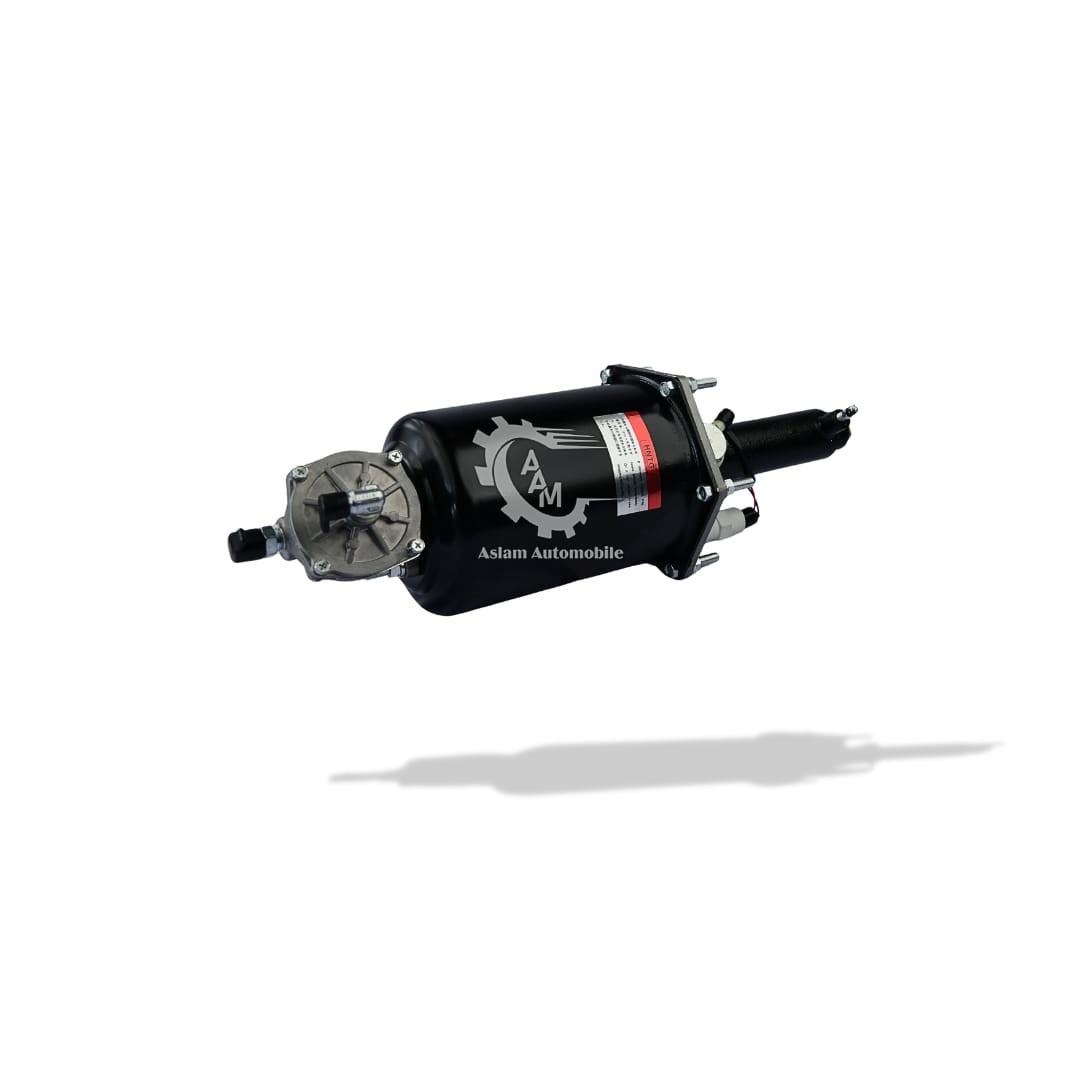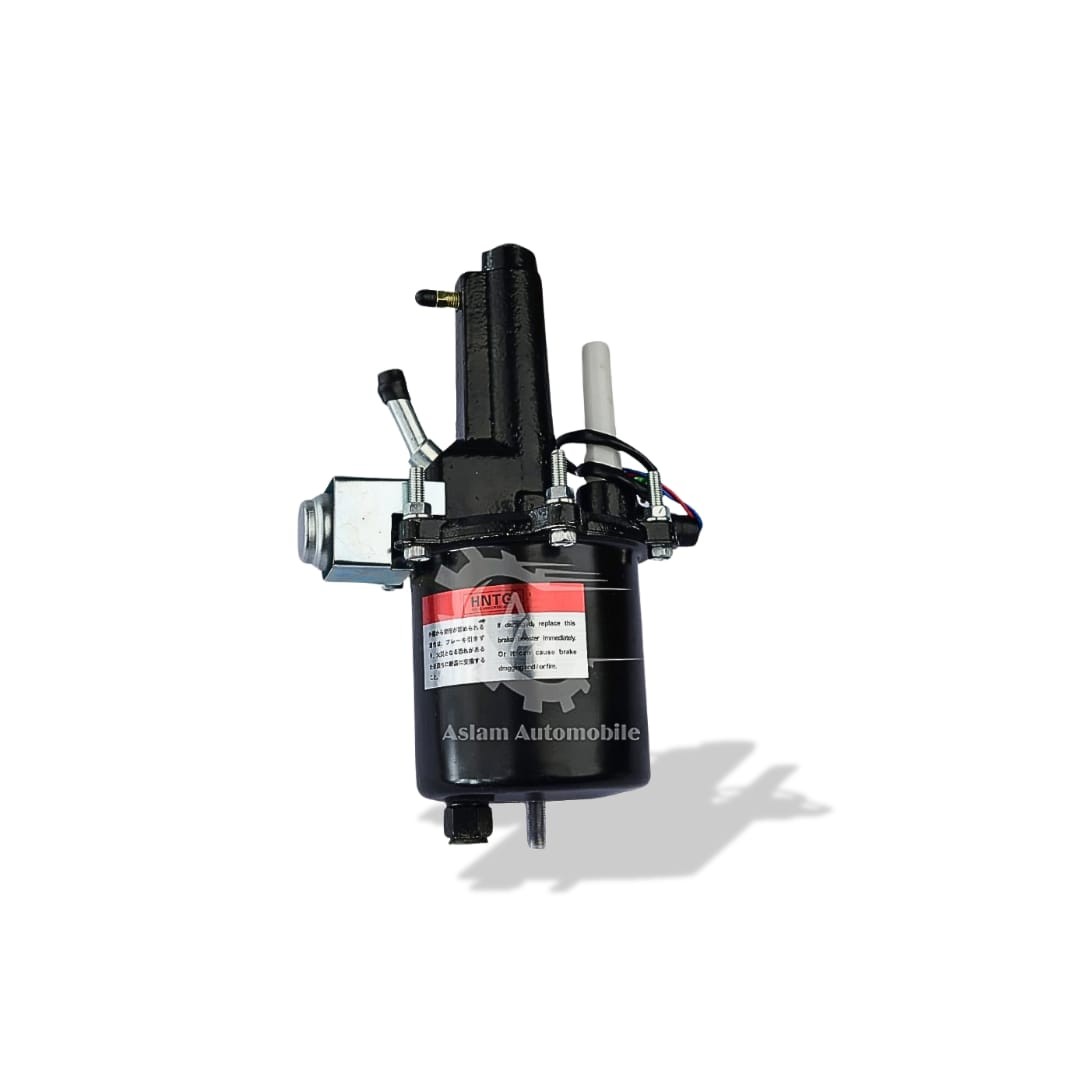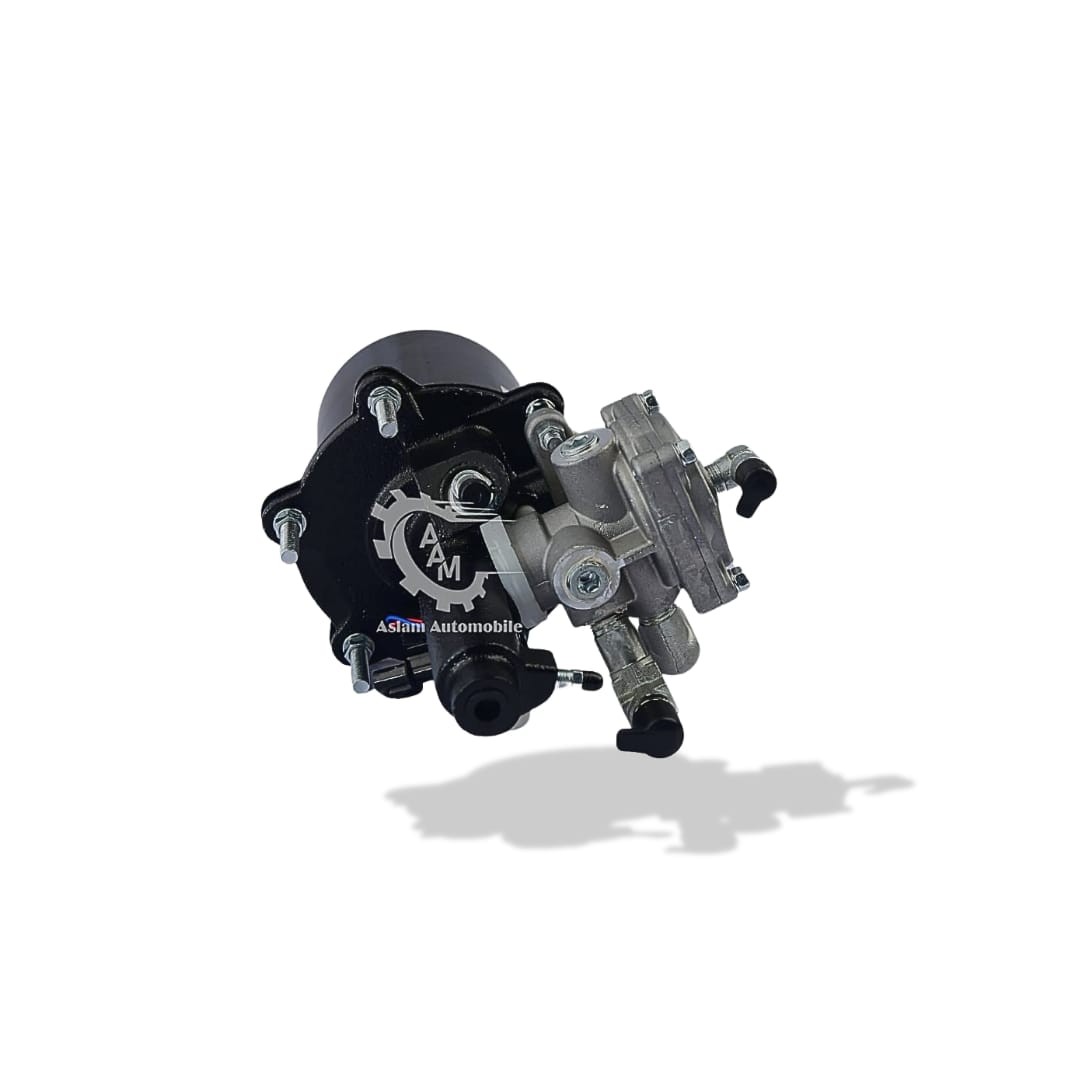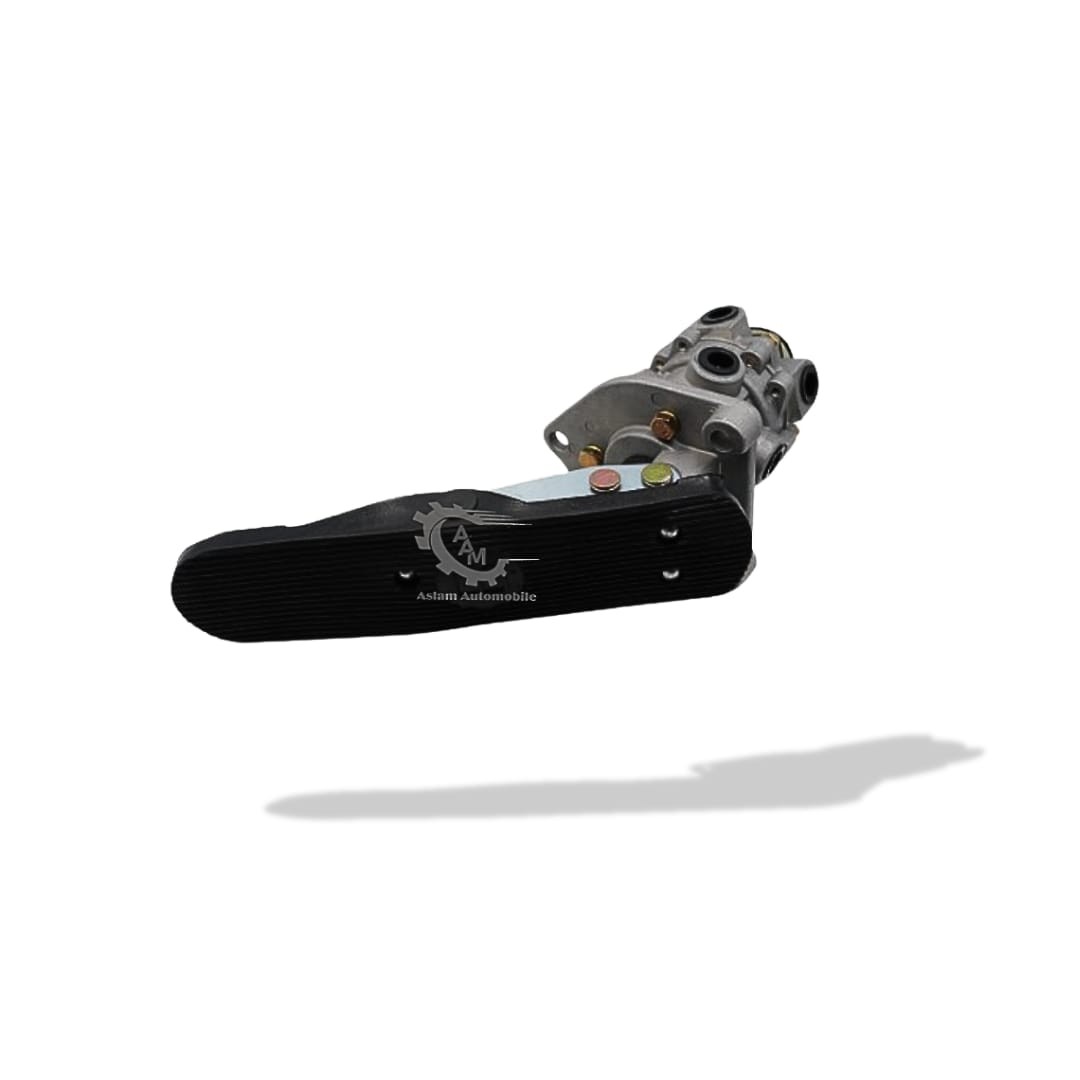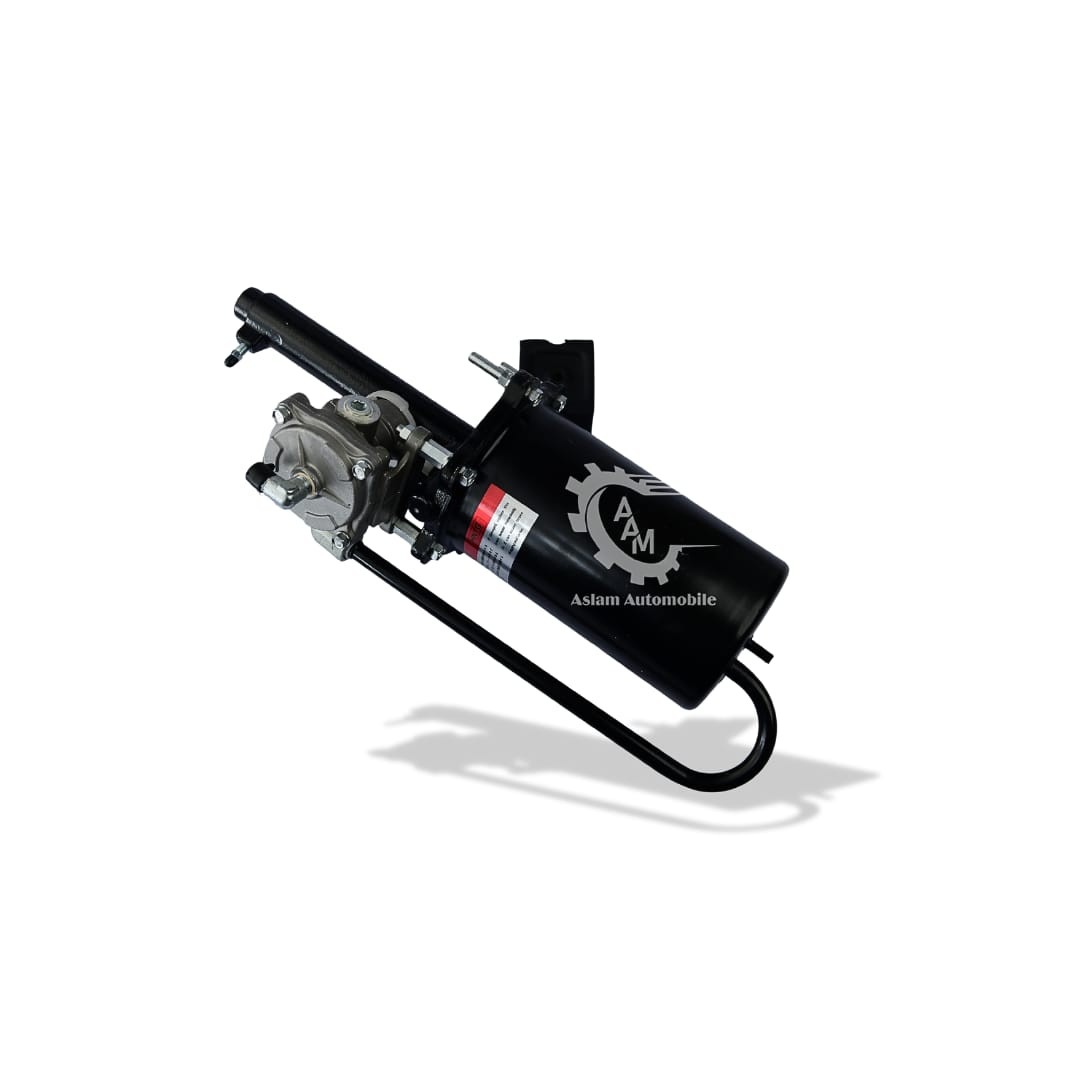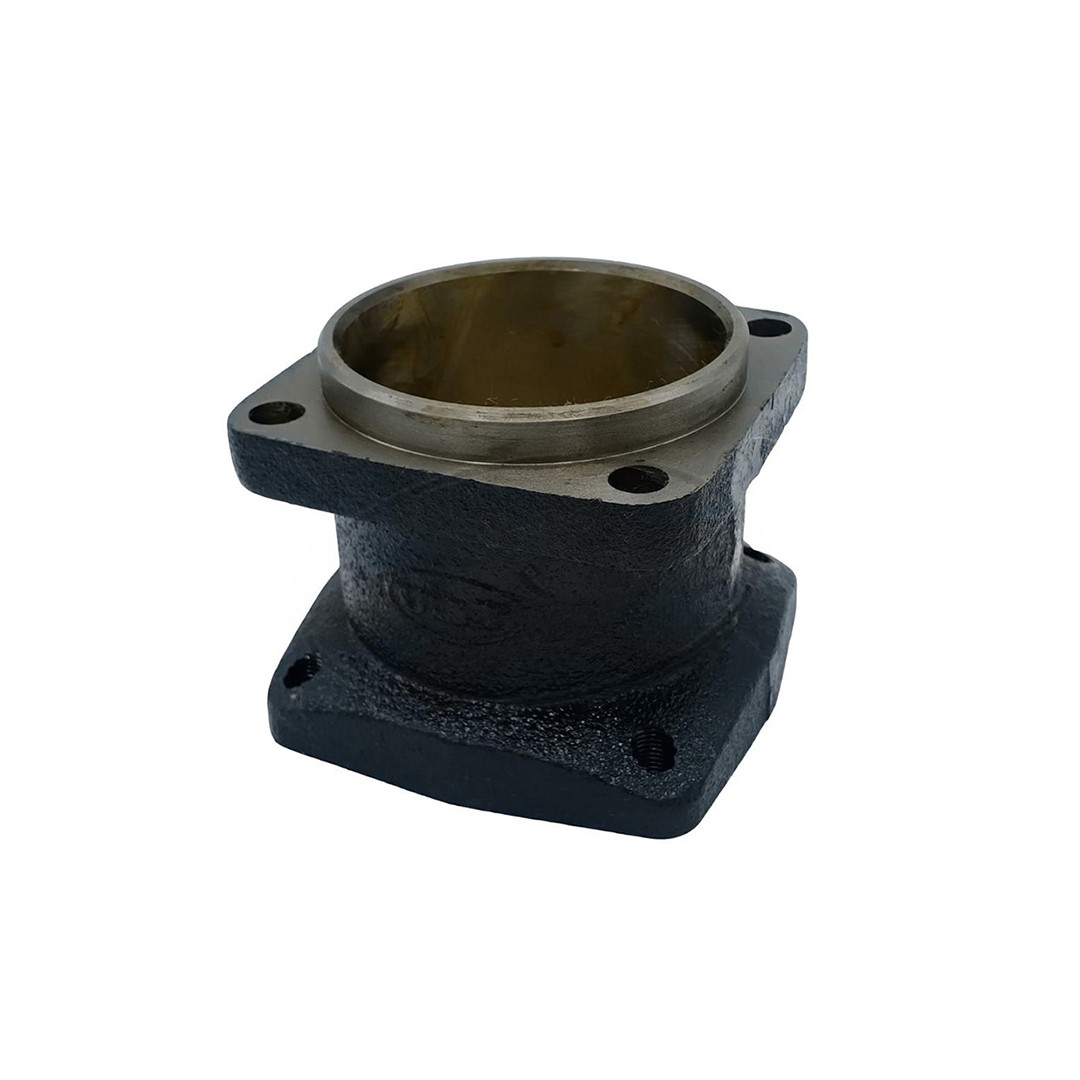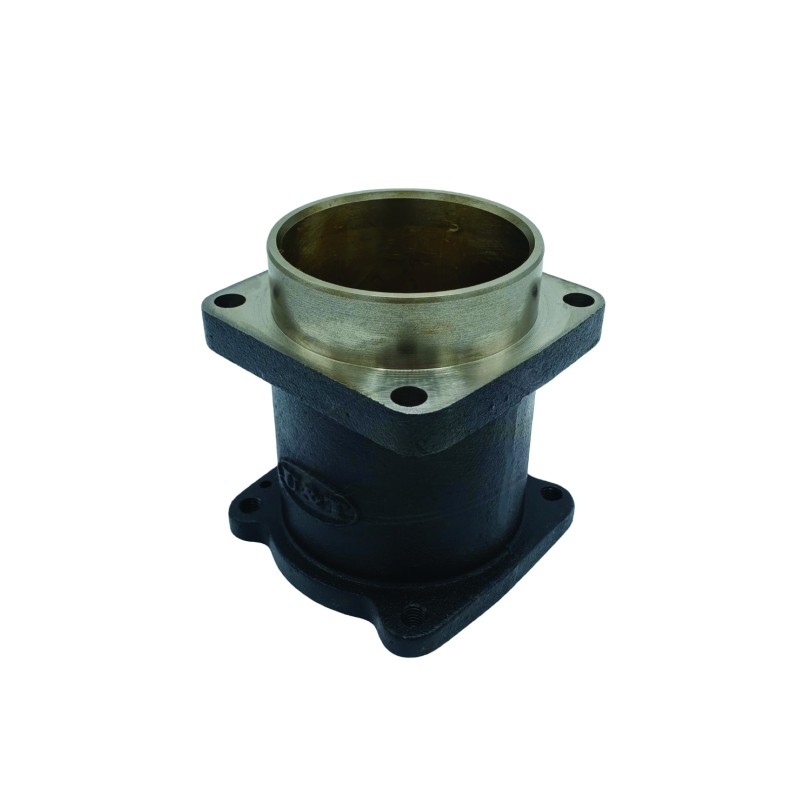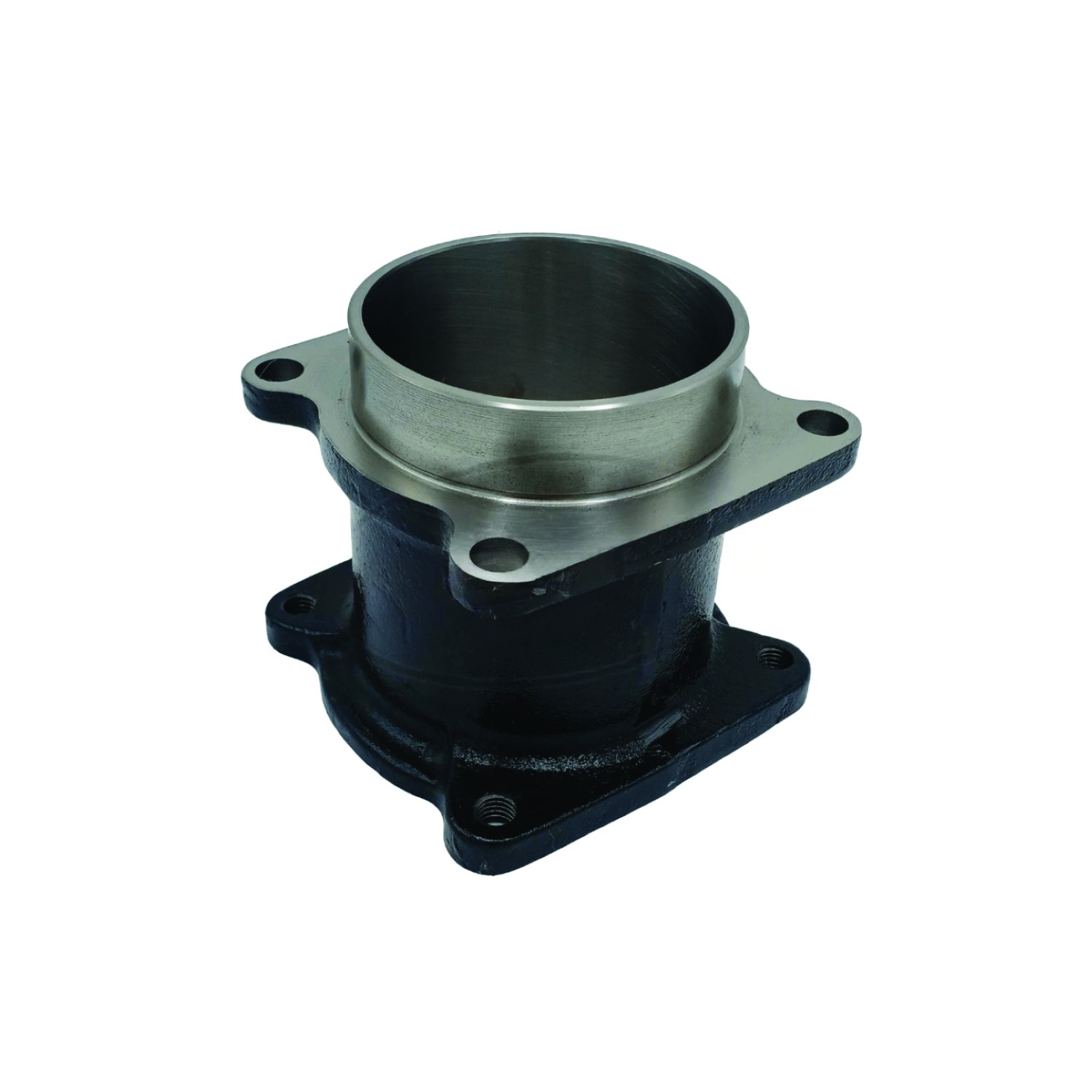


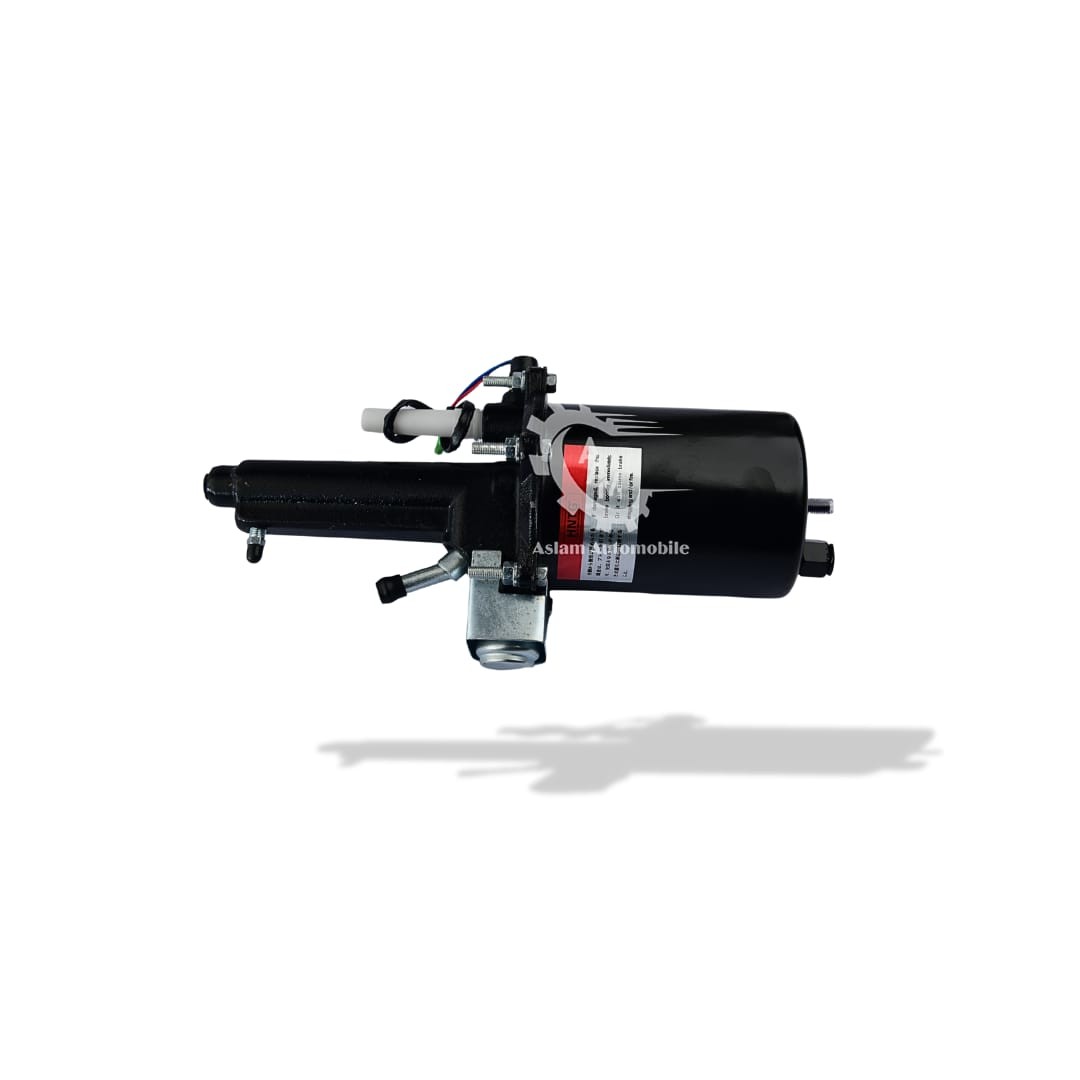
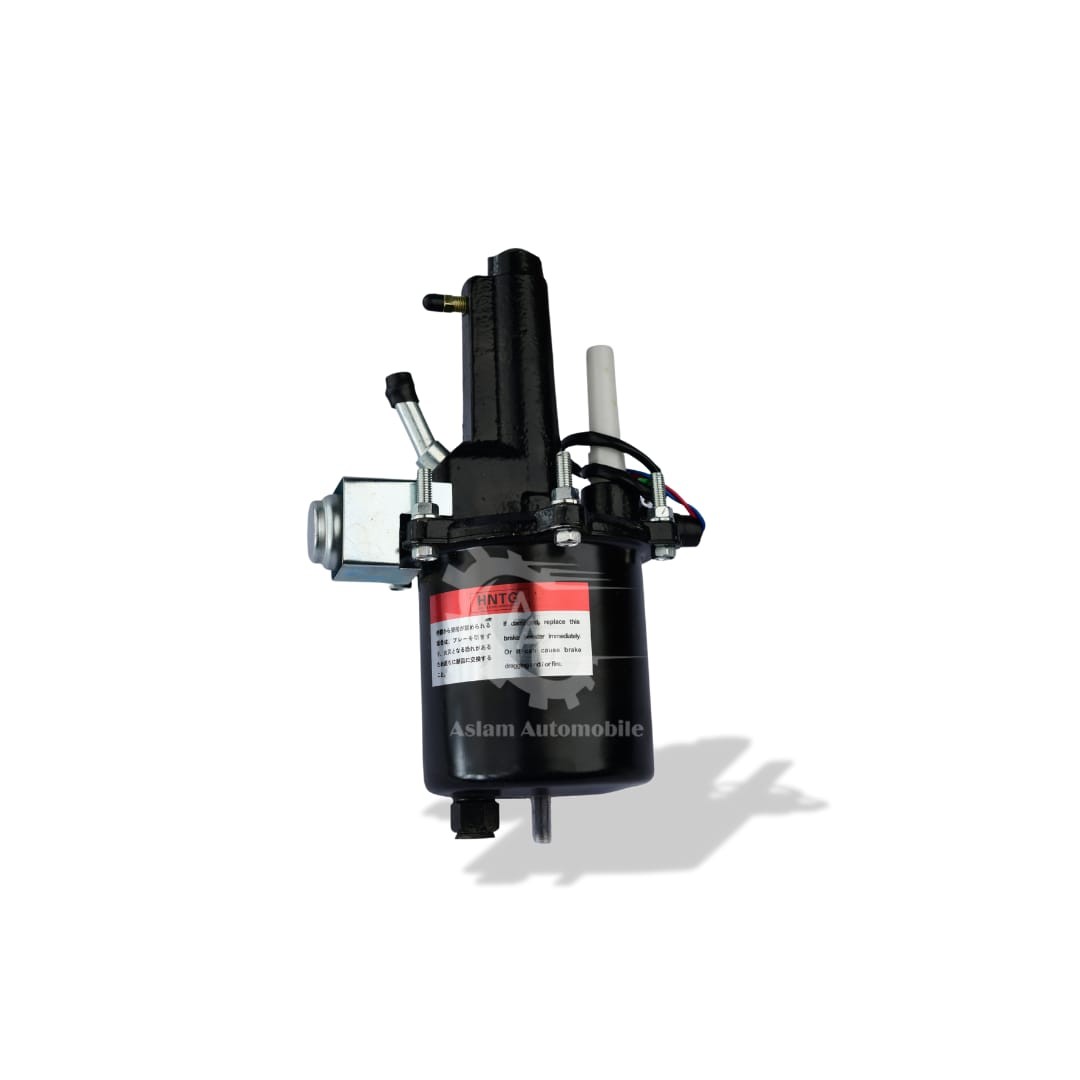
Brake Survey ASSEMBLY CPB12 (BIG MC- 828265) 2210
(0
reviews)
Inhouse product
Price
Share

Reviews & Ratings
0
out of 5.0
(0
reviews)
There have been no reviews for this product yet.
A Brake Survey typically refers to an inspection or assessment of a vehicle's braking system. It is conducted to evaluate the performance, wear, and condition of key brake components such as brake pads, rotors, calipers, brake lines, and the master cylinder. Here's what is generally covered in a brake survey:
1. Brake Pads Inspection
- Check for wear and tear.
- Measure thickness and assess whether replacement is needed.
2. Brake Rotors
- Inspect for warping, scoring, or cracking.
- Measure the rotor thickness to ensure it is within safe limits.
3. Brake Calipers
- Ensure that calipers are functioning properly and not sticking.
- Look for signs of fluid leaks around the caliper seals.
4. Brake Lines and Hoses
- Check for any leaks, cracks, or wear.
- Inspect connections to ensure no loss of brake fluid pressure.
5. Brake Fluid Level and Quality
- Inspect brake fluid levels and top off if needed.
- Assess the condition of the brake fluid and check for contamination or degradation.
6. Master Cylinder
- Inspect for leaks and ensure it’s providing consistent hydraulic pressure.
7. Parking Brake
- Test the parking brake for functionality and adjust if necessary.
8. Brake Booster
- Check the brake booster’s vacuum system for proper operation, ensuring adequate brake assistance.
Related products